
Back Pain
Back Pain Myths
Dr. Peter HinzDecember 29, 2023
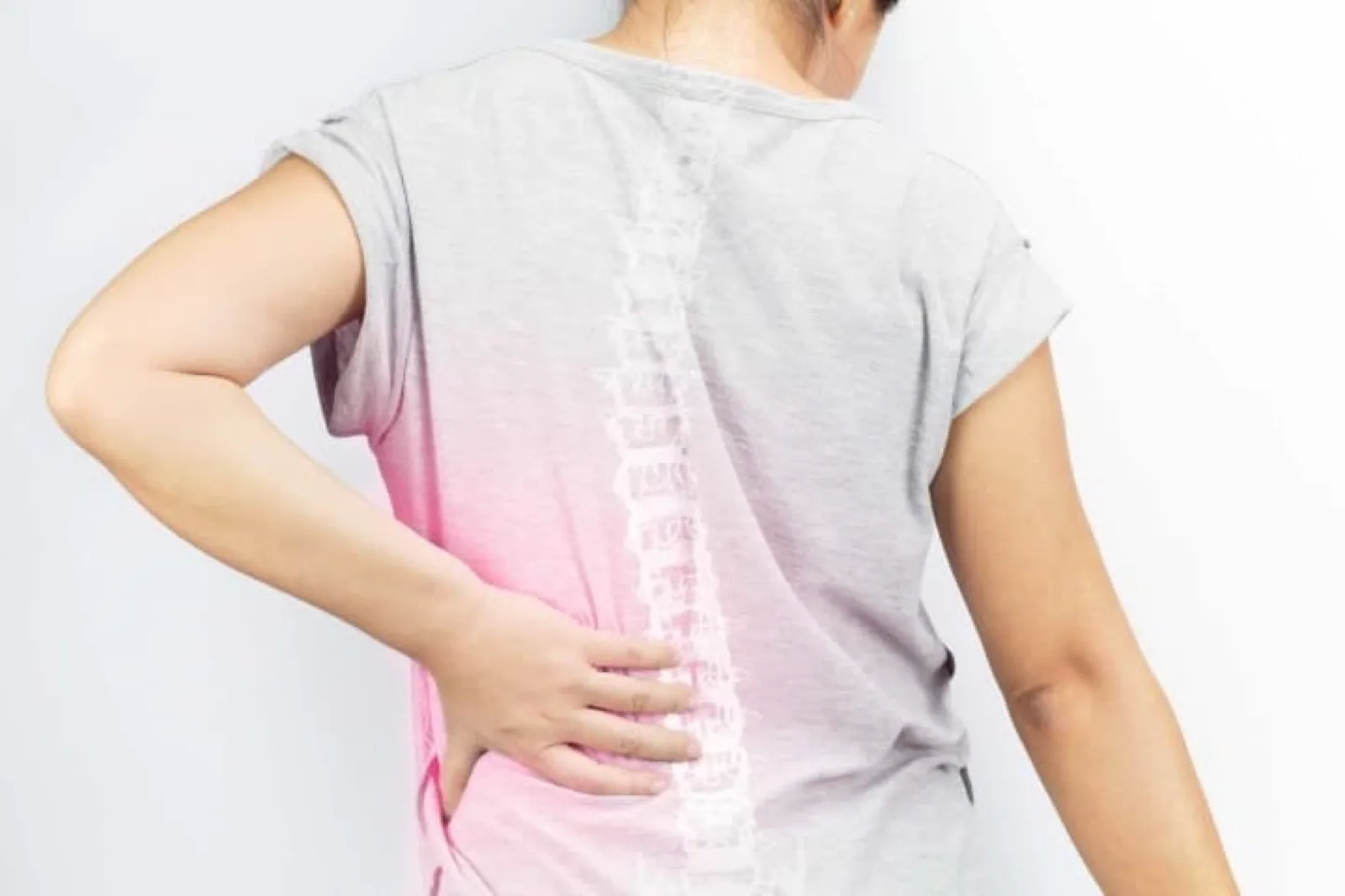
Common Myths About Back Pain
Myth 1: Physical activity is the cause
While muscle strains, poor lifting technique and repetitive motions can cause back pain, physical activity is not the only factor. Genetic and structural problems contribute to painful symptoms. Aging and degenerative conditions like osteoarthritis can also cause discomfort.
Myth 2: Poor posture is the cause
Poor posture can be a cause of back pain, but is not the only cause. Bad posture strains muscles, tendons and ligaments in the back, though other problems may also play a part.
Myth 3: Pain is always a sign of tissue damage or disease
Pain is usually caused by inflammation and may or may not signal tissue damage. Pain doesn't necessarily mean a disease is present and can result from nerve compression.
Myth 4: Opioid pain medications are completely safe and effective for long-term use
Opioids are very effective for pain relief but are highly addictive and not the best solution for long-term back pain management.
Myth 5: Everyone experiences and handles pain the same way
Some people have a high threshold for physical discomfort while others have a low threshold and can be debilitated by back problems. The wide range of treatment options can provide relief for everyone.
Myth 6: There's no way to control or manage the pain
New drugs and surgical techniques are being developed continuously. Traditional and alternative methods such as massage and acupuncture can also manage back pain.
What are the Symptoms of Back Pain?
- Muscle aches: Back pain may result from muscle strain, making movement painful and stiff
- Spasms: Sudden muscle spasms can occur randomly, making movement difficult
- Shooting or stabbing pains: Can indicate nerve compression connecting to the spinal column
- Lack of flexibility or range of motion: Muscle strains, herniated discs or nerve compression cause stiffness and limited spinal movement
- Tenderness: May cause reluctance to be touched
- Weakness: Spinal problems can lead to weakness in the back and extremities when nerves are compressed
- Numbness/tingling: Common problems resulting from compressed nerves connecting to the spinal column
- Difficulty standing upright: Sprains or spinal disorders can make it difficult to stand straight
What are some treatment options?
Heat/Ice Therapy
One of the simplest and most effective therapies is applying ice packs and hot packs to the back. Apply cold packs first to reduce inflammation and swelling, followed by heat packs to improve blood flow and tissue healing.
Over-the-Counter Medications
Non-steroidal, anti-inflammatory medications such as ibuprofen or naproxen reduce inflammation contributing to pain.
Physical Therapy
Physical therapists offer specific exercises focusing on back and torso muscles to strengthen them and relieve pain.
Chiropractic
Chiropractors use various techniques including manual adjustment, trigger point therapy, massage, electrical stimulation and decompression to relieve back pain.
Frequently Asked Questions
What is the cause of back pain? Back pain can result from injury, overuse, repetitive motion, degenerative conditions and other physical issues.
What is the emotion behind back pain? People may experience anxiety and depression associated with ongoing back pain. Chronic pain can also cause irritability.
How to avoid back pain? Maintain a healthy weight and get regular exercise to keep core muscles strong. Learn proper lifting technique and use it when carrying heavy items. Watch your posture when standing and sitting for long periods. Eat a healthy diet providing good nutrition.
What causes back pain in females? Pre-menstrual syndrome, menstrual cramps, pregnancy physical changes, poor lifting techniques and degenerative spine conditions can cause pain.
Does stress cause back pain? Yes, constant muscle tensing and nerve compression involved in stress reactions can lead to chronic pain.
Is back pain part of depression? Depression can cause various physical complaints including back pain. The connection can work both ways, as chronic back pain affecting your activities can lead to depression.
How does back pain affect your life? Chronic back pain can prevent engagement in normal work and recreational activities, leading to stress, financial problems and depression.
Is back pain related to mental health? Yes, dealing with chronic back pain can cause depression and anxiety.
What are the 3 main causes of back pain? Injury, overuse and degenerative conditions are the three main causes.
What foods are good for back pain? An anti-inflammatory diet rich in leafy green vegetables, richly colored fruits and olive oil can help reduce pain. Ensure sufficient vitamin D and calcium for bone health.
What are the treatments for back pain? Over-the-counter pain relievers often suffice. Muscle relaxants and prescribed pain relievers can help. Physical therapy strengthens muscles and improves range of motion. Chiropractic care, manual adjustment and spinal decompression therapy manage pain. Surgical procedures are also available.
Can gas cause back pain? Yes, trapped gastrointestinal gas can radiate into the upper back, causing discomfort.
What are three red flags of back pain? Constant or intensifying pain, weakness in extremities, or loss of bladder or bowel control warrant immediate attention.
Where does back pain usually start? Back pain usually starts in the lower back, where the spine's natural curvature can be easily damaged and many nerve roots connect.
Why does my back hurt everyday? Daily pain could result from a bad mattress causing awkward sleeping positions or insufficient exercise to keep back muscles strong.
What exercises help back pain? Stretching is one of the most beneficial exercises. Yoga, tai chi and Pilates can gently strengthen back muscles and improve core strength.
Does walking prevent back pain? Walking is one of the simplest and most effective exercises for the entire body. The movement utilizes leg, back and stomach muscles to stimulate blood circulation and improve strength.
How can I make my spine stronger? The bridge position involves lying on your back with knees bent, then lifting your pelvis and holding for several counts. Squeezing shoulder blades together and core-strengthening exercises also help strengthen your back.
Worst things for lower back pain Poor lifting technique is the worst thing for back pain. Repetitive turning or twisting movements and impact sports can also worsen problems.
Worst positions for lower back pain Sitting in a slumped position without support is detrimental. Sit with legs at 90-degree angles with lumbar support. Sitting with legs crossed puts pressure on lower back and hip muscles. Standing in one place for extended periods also puts significant pressure on the lower back.