
Blog
Honest answers, plain English.
What we tell patients in the office, back pain, sciatica, spinal decompression, headaches, and every honest question that comes up. Written by Dr. Hinz and Dr. Smith.

Spinal Decompression & Disc Injuries
What Does Spinal Decompression Do?
How spinal decompression works Your spine is a stack of vertebrae with a cushioning disc between each pair. When a disc bulges or herniates, it can press on a nearby nerve. That pressure is often what causes sciatica, numbness or tingling, and pain that won’t settle down with rest. During decompression, the table applies a […]

Your Visit: What to Expect, Cost & Insurance
How Long Does it Take for Chiropractic Adjustments to Start Working?
Chiropractic adjustments realign the spine and musculoskeletal system to promote healing and reduce pain. Over 35 million Americans yearly experience spinal misalignments requiring chiropractic care to restore proper alignment.

Pregnancy, Kids & Seniors
Best Chiropractic Techniques for Elderly Patients
Approximately 32.5 million Americans struggle with osteoarthritis, a degenerative joint disease that causes cartilage breakdown. Chiropractic care offers a noninvasive treatment option specifically tailored for older patients with brittle bodies.

Pregnancy, Kids & Seniors
Five Tips to Help Your Student Avoid Back Pain
At least one in five school-age children experience back pain, with research suggesting rates as high as 75% among children aged 8-12. Back pain in young people is increasingly prevalent and often linked to heavy backpacks, poor posture, and academic strain.

Sciatica & Pinched Nerves
How to Tell if You Have Sciatica Nerve Pain
Sciatica refers to pain symptoms along the sciatic nerve path, a major nerve strand beginning in the lower back and traveling down to the feet. The condition affects about 40% of Americans at some point during their lifetime.

Back Pain
5 Stretches to Do Every Day for a Healthier Spine and Body
Stretching is a simple yet effective way to maintain flexibility, mobility, and overall health. When paired with chiropractic care, daily stretching enhances the benefits of spinal adjustments, promotes better posture, and reduces muscle tightness.

Neck Pain & Whiplash
How Long Should You See a Chiropractor After an Accident?
After accidents like car crashes or slip-and-falls, chiropractic care supports recovery. Treatment duration depends on injury severity, healing speed, and health goals.
Softwave & Joint Pain
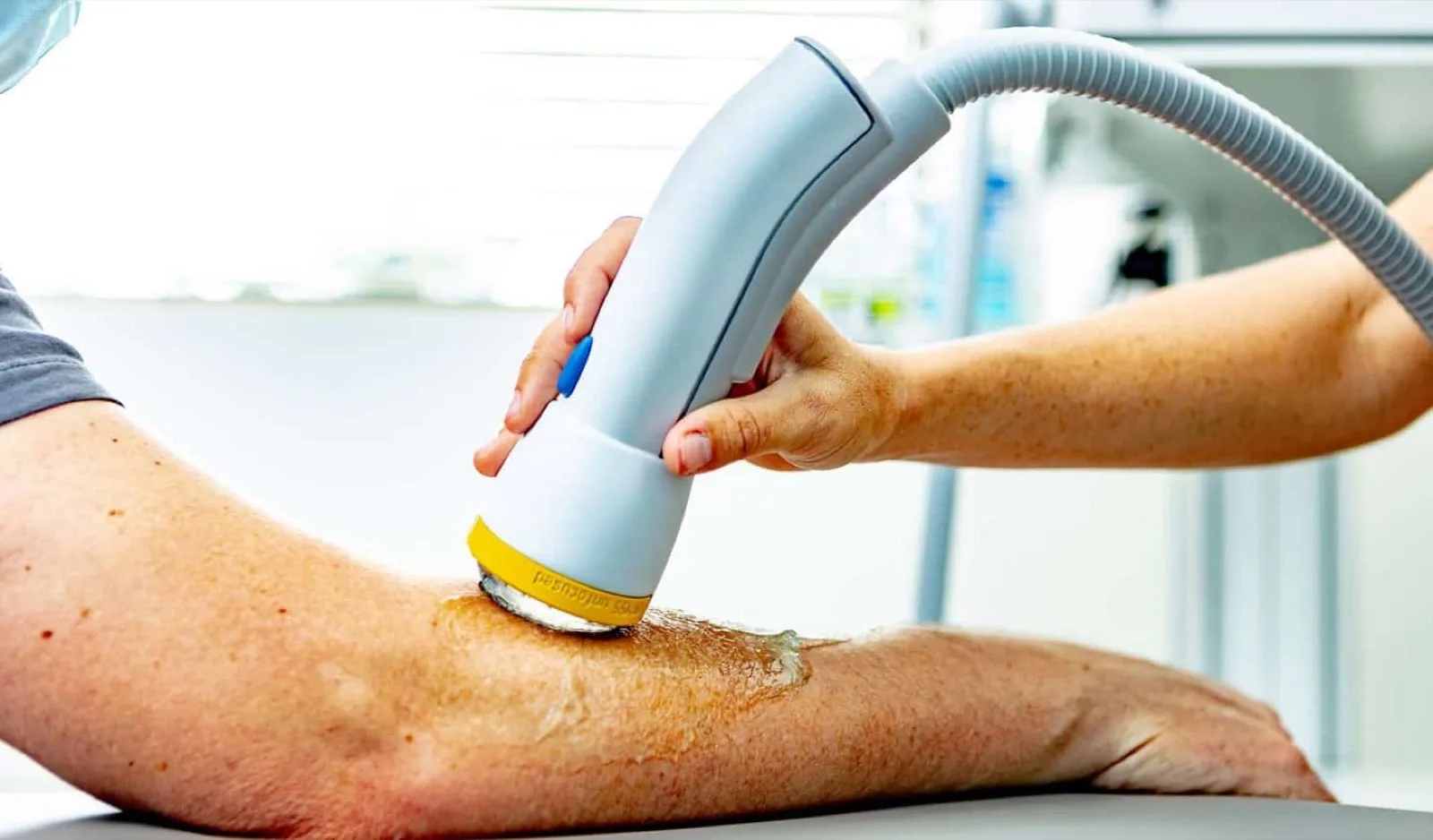
How Long Do the Benefits of Softwave Therapy Last?
Softwave Therapy, also known as Tissue Regeneration Technology, is a non-invasive treatment for pain relief and tissue repair. The duration of benefits varies based on individual factors, condition type, and adherence to treatment plans.

Neck Pain & Whiplash
What is Whiplash? Understanding the Condition and How to Find Relief
Whiplash occurs when the neck is suddenly whipped back and forth, straining muscles, ligaments, and tendons. Most commonly associated with car accidents, this injury can lead to pain, stiffness, and other symptoms that may appear hours or days after the incident.

Sports Injuries
What Is the Most Common Type of Knee Injury in Sports?
The meniscus tear is the most prevalent knee injury in sports, occurring when cartilage cushioning the knee joint becomes damaged from sudden movements. Other common injuries include ACL tears, MCL sprains, and patellofemoral pain syndrome.
Spinal Decompression & Disc Injuries
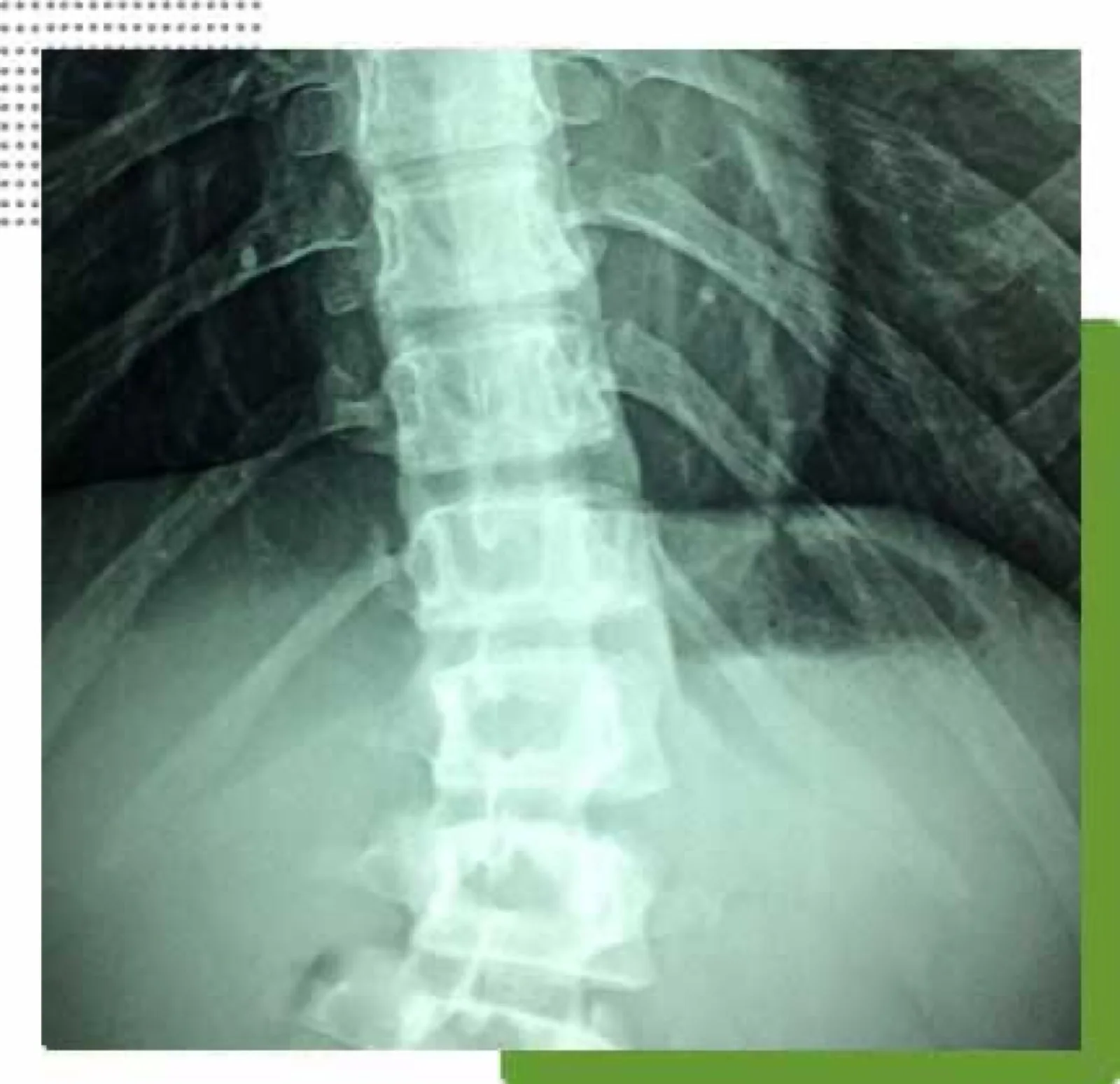
How Often Should I Do Spinal Decompression?
Generally, individuals benefit from 2 to 5 spinal decompression sessions over 4 to 6 weeks, though your healthcare provider may recommend fewer or more based on individual needs.

Your Visit: What to Expect, Cost & Insurance
What Is Cervical Subluxation?
A cervical subluxation is a partial dislocation or misalignment of a joint in the neck’s seven stacked vertebrae. Although the cervical spine is strong and flexible, it can sustain injuries leading to poor function and discomfort.
Move better. Live better.
Your first visit is $49, consultation, exam, and complimentary X-ray. No referral needed.