
Chiropractic
Chiropractic Care for TMJ Dysfunction
Dr. Peter HinzNovember 16, 2018
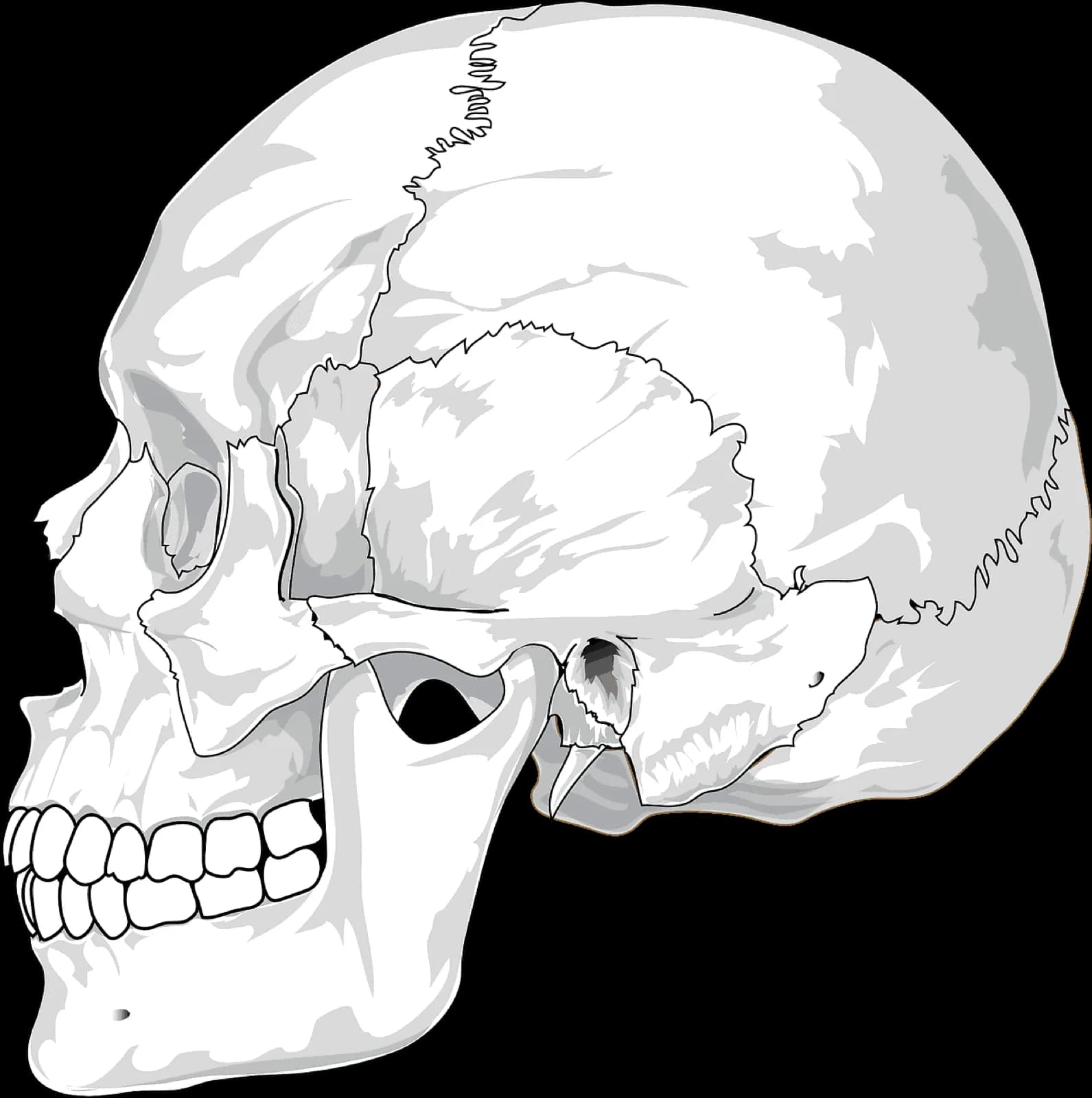
What is TMJ Dysfunction?
The temporomandibular joint (TMJ) is the region connecting two primary bones involved in chewing and biting—the lower jaw and the skull—located near the front of the ear. This articulation plays a critical role in eating and chewing control, as facial muscles regulating these functions attach to this region.
You can locate your TMJ by placing one or two fingers close to your ear while opening and closing your mouth. The area where you feel movement beneath your fingers is your TMJ. Any pain or discomfort in this region and surrounding areas constitutes TMJ dysfunction.
What Causes TMJ Dysfunction?
The primary cause of TMJ dysfunction is "the continuous grinding of teeth during sleep and also the clenching of jaws during sleep." This persistent grinding and clenching overworks the TMJ region, and when repeated over extended periods, it mounts pressure leading to dysfunction.
Other contributing factors include:
- Diseases such as fibromyalgia, gout, or rheumatoid arthritis
- Hereditary predisposition
- Extreme trauma from dental surgery or accidental falls involving the jaw
- Disc dislocation
- Ill-fitted dental fillings, crowns, and dentures causing uneven bites
Common Symptoms
Symptom severity varies, and pain may come and go, but when present, it is typically severe:
- Difficulty opening and closing the mouth without pain
- Persistent headaches
- Ear pain (due to TMJ's proximity to the ear)
- Difficulty chewing, especially hard foods
- Pain in the jaw, face, and neck
- Continuous locking, popping, and clicking of the jaw
Consult a physician if you experience any of these symptoms.
How Chiropractic Care Treats TMJ Dysfunction
Chiropractic treatment begins by identifying the underlying cause of the dysfunction. A chiropractor assesses the case to determine if chiropractic care is appropriate.
Treatment methods include:
- Chiropractic adjustments and myofascial release to relax affected muscles and soften tissues, optimizing function and returning them to normal
- Active release therapy to release scar tissue in the affected area
Chiropractors often collaborate with dentists to select the most appropriate treatment method. Following care, the chiropractor recommends postural habits to avoid to prevent recurring TMJ dysfunction.
"Chiropractic care is really people overcome the challenges of TMJ dysfunction," and this approach represents a significant breakthrough in conservative treatment options.