
Chiropractic
What Chiropractic Patients Need To Know About the Lumbar Spine
Dr. Peter HinzSeptember 4, 2018
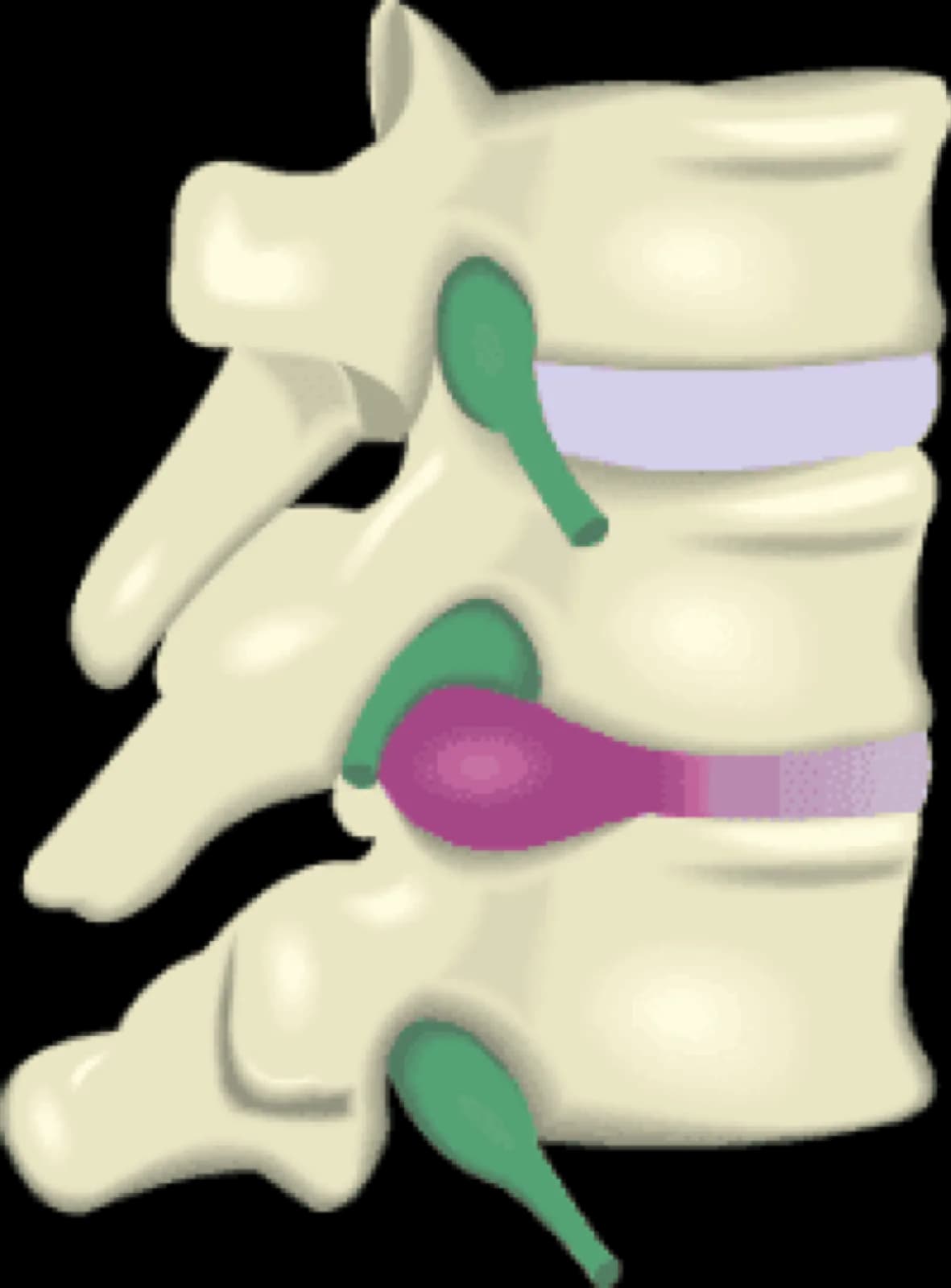
What is the Lumbar Spine?
Located in the lower back area, the lumbar region begins below the shoulder blades approximately five or six inches down at the lordosis, where the spine curves inward toward the abdomen. The lumbar spine consists of five vertebrae labeled L1 through L5—the largest unfused vertebrae in the entire spinal column. The lower vertebrae bear more weight than upper ones, making them sturdier but also more prone to injury and degradation.
The L5 vertebra meets the S1 (the sacrum) at the lumbosacral joint, which provides most of the range of motion including rotational flexibility of the hips and pelvis. This allows for movement during activities like running and walking.
The spinal cord terminates around the L1 level, and nerve roots form what is called the cauda equine. These nerves travel down the spine, branching to the legs, buttocks, and feet, resembling a horse's tail in appearance. Since the spinal cord does not extend into the lumbar area, problems in the lower back rarely result in paralysis or spinal cord damage.
Lower Back Pain
The most common causes of lower back pain are soft tissue injuries and mechanical problems, which can damage intervertebral discs, compress nerve roots, and inhibit proper spinal joint function. Most commonly, lower back pain results from a pulled or torn muscle or ligament (a sprain or strain).
These injuries can stem from:
- Prolonged improper posture
- Improper lifting of heavy objects without using the legs
- Sports injuries involving high impact or twisting motions
- Lifting while twisting the spine
- Falls or sudden movements placing significant stress on the lumbar area
Chiropractic Care for the Lumbar Spine
Chiropractic care is a popular and effective treatment option for lower back pain. Chiropractors help patients manage back pain through spinal adjustments and lifestyle advice, often recommending supplements, exercise, and dietary changes. The whole-body approach makes chiropractic an optimal choice for many people, especially those preferring to avoid medications or invasive procedures.
Chiropractic treatment typically involves spinal manipulation and mobilization. Spinal manipulation uses a short lever, high velocity arm thrust applied directly to the injured vertebra, typically relieving pain, improving spinal function, and restoring range of motion. Mobilization involves low velocity movement to manipulate the area, stretching and moving joints and muscles.
When a patient reports lower back pain, a comprehensive medical history, testing, and examination determine the underlying cause. For common injuries like bulging discs or spondylosis, the chiropractor develops a treatment plan that may include:
Hot or Cold Therapy Ice or heat packs reduce swelling, loosen muscles, and relieve pain in the lower back.
Flexion-Distraction The patient lies on a horizontally split table. The chiropractor raises and lowers the bottom half in a repetitive sequence, causing the joints, vertebrae, and muscles to flex and stretch, relieving pressure and tension while restoring motion to spinal joints.
Electrical Stimulation Electrical impulses conducted through electrodes placed on the patient's body fatigue the lower back muscles to the point of forced relaxation, relieving tightness and stiffness.
Manual Manipulation Commonly called an "adjustment," manual manipulation is the primary chiropractic technique for pain relief. The chiropractor uses hands to push and pull on muscles and joints of the lumbar spine and other affecting areas. This manipulation may be gentle or forceful, aiming to relieve pain and pressure by correcting vertebral subluxations and realigning the spine.
These techniques typically restore range of motion and flexibility while reducing pain. For those with chronic lower back pain, chiropractic care can be transformative. Modern chiropractors blend traditional manual manipulation with mainstream medical perspectives, incorporating holistic lifestyle coaching, exercise, and general health advice. Chiropractic may include alternative treatments like ultrasound and traction, allowing successful management of this condition with proper treatment.