
Chiropractic
How Effective Is Chiropractic Treatment For Spondylolisthesis?
Dr. Peter HinzDecember 8, 2022
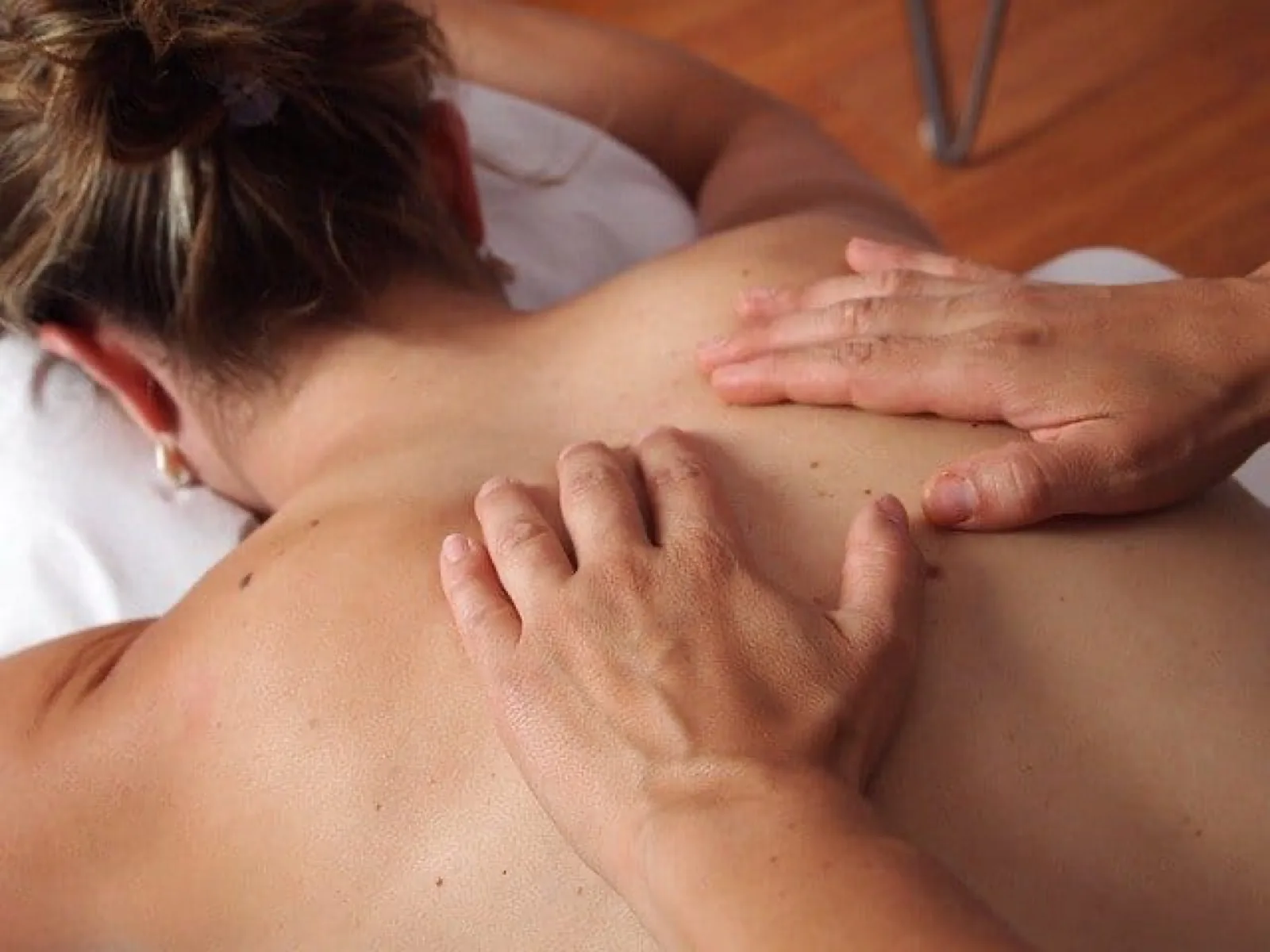
How Effective Is Chiropractic Treatment For Spondylolisthesis?
Through spinal and manual adjustments or flexion-distraction techniques, chiropractors can be very effective when treating spondylolisthesis. The value of non-invasive treatments cannot be overstated because such approaches typically carry fewer risks than surgical alternatives.
Spondylolisthesis is an uncommon but potentially painful condition. Most cases can be successfully treated by a chiropractor with a dozen or more spinal adjustments, allowing patients to avoid more invasive options like epidural injections, prescription pain medication, and back surgery.
A Description of Spondylolisthesis
Spondylolisthesis occurs when one vertebra slips and overlaps an adjacent vertebra, usually in the lower back region. As the vertebra slips, it squeezes nerve roots in the spine, resulting in moderate to severe intermittent lower back pain and weakness or numbness in one or both legs.
Spondylolisthesis can result in a related condition called sciatica, which occurs when the sciatic nerve becomes pinched, causing buttocks and leg pain. The sciatic nerve runs through the middle of the spinal cord and branches into both legs.
Is there a cure for Spondylolisthesis?
Yes, spondylolisthesis can be treated to the point where the condition no longer exists, typically by returning the slipped vertebra to its original position. However, once the condition has occurred, individuals may be more susceptible to recurrence in the future, which can be prevented through ongoing chiropractic maintenance adjustments.
What happens with untreated spondylolisthesis?
In almost all cases, spondylolisthesis would not be considered life-threatening. However, the decision not to seek treatment is typically a quality-of-life choice. If someone is willing to manage lower back pain, they can potentially live with the condition indefinitely, though the affected vertebra will likely continue to weaken, causing further slippage and increased pain over time.
The Most Common Causes of Spondylolisthesis
Three primary causes include:
- Genetics – people can inherit thin vertebrae bones prone to wearing down quickly
- Age – skeletal degeneration occurs due to wear and tear as we age
- Lifestyle Activity – athletes are susceptible due to constant spinal pressure from jumping, over-extending, and running
The Most Common Symptoms of Spondylolisthesis
Common symptoms include:
- Radiating lower back pain
- Shooting pain down one or both legs
- A burning sensation in the buttocks
- Leg weakness leading to walking difficulty
- Increased pain when bending or twisting the back
- Loss of bladder and/or bowel control (very rare)
Kinds of Spondylolisthesis
Before determining proper treatment, doctors or chiropractors must diagnose the specific form of spondylolisthesis.
Dysplastic Spondylolisthesis
Generally considered a birth defect, dysplastic spondylolisthesis occurs when a baby's spine fails to form properly during pregnancy. Scoliosis is considered a dysplastic form.
Traumatic Spondylolisthesis
This diagnosis applies when the condition results from a traumatic event, when blunt force to the spine causes vertebrae to slip out of alignment.
Isthmic Spondylolisthesis
This form occurs as a result of spondylolysis, caused by a break or fracture of one or more vertebrae.
Degenerative Spondylolisthesis
This form occurs naturally with aging, caused by degeneration of the spongy discs that cushion each vertebra. As discs thin, vertebrae can slip.
How Do Doctors/Chiropractors Diagnose Spondylolisthesis?
Since symptoms related to spondylolisthesis are common with other back conditions, proper diagnosis requires diagnostic imaging such as MRI or X-rays.
What are the Treatments for Spondylolisthesis?
Treatment options range from non-invasive approaches like chiropractic care to invasive options like back surgery.
Degenerative Spondylolisthesis Treatment
Since degenerative spondylolisthesis is progressive, treatment can involve multiple options. Surgery for this form is rare. Available treatment methods include:
- Activity modification
- Chiropractic adjustments
- Epidural/steroid injections
Modifying Activities
This encompasses daily activities, with individuals avoiding strenuous exertion, prolonged standing or walking, awkward sitting positions, and backward bending. Focus on increased rest and proper nutrition can help.
Manual Chiropractic Manipulation
Through manual spine manipulations, a chiropractor can gently move a vertebra back into proper position. Adjustments can result in pain reduction and improved back mobility.
Receiving Epidural Injections
When severe pain becomes significant, epidural steroid injections can help block pain, working for approximately 50% of patients. Patients can safely receive up to three injections annually.
Getting Surgery
If the condition becomes debilitating, surgery can allow the vertebra to be placed back into proper position, alleviating nerve pressure. Surgery always carries health risks, though problems are rare.
Nonsurgical Treatment Options for Spondylolisthesis
It's advisable to avoid back surgery whenever possible, as the effectiveness doesn't always justify the associated risks.
Physical Therapy
A physical therapist can prescribe special exercises to strengthen abdomen and back muscles, stopping vertebra slippage and reducing pain.
Prescribed Pain Medication
Managing pain with prescription medication is an option, though it should only be temporary or intermittent due to addictive properties of opiate-based medications.
Corticosteroid Injections
This slightly more invasive option involves injecting corticosteroids directly into the affected area, potentially delivering longer-lasting pain relief.
Is Chiropractic an Effective Way of Treating Spondylolisthesis?
Yes. If spondylolisthesis is treatable, chiropractic is likely the best option and usually effective. A chiropractor's treatment goals include:
- Pain relief
- Realignment of the spine and vertebra
- Improving the patient's posture
- Restoring proper spine function
Ways That Chiropractic Can Help with Spondylolisthesis
The chiropractic objective is two-fold: delivering pain relief and realigning the spine and vertebra through a series of manual spine adjustments in the targeted area.
How can a chiropractor properly diagnose spondylolisthesis?
The best chance for proper diagnosis relies on diagnostic imaging with X-rays or MRI.
Chiropractic Care Treatment Options for Spondylolisthesis
A licensed chiropractor should have several adjustment techniques available, including spinal and manual adjustments or flexion-distraction techniques.
Tips on How to Manage Spondylolisthesis
To manage the condition and avoid surgery:
- Be careful about physical activities
- Avoid bending, twisting, and putting undue pressure on your spine
- Maintain a healthy weight
- Develop an exercise program that strengthens your abdomen and back without stressing your spine
How to Sit with Spondylolisthesis
Since most time is spent sitting, proper sitting techniques are essential for managing the condition.
Positioning your spine in a neutral position
Your spine has three natural curves. Sitting in neutral position requires maintaining the integrity of those curves, with your neck straight up and lower back positioned with a slight inward bend.
Creation of a back-strengthening physical therapy/exercise routine
A physical therapist can help develop an exercise program suited to your circumstances, possibly recommending the McKenzie Method and dynamic stabilization.
Wearing a brace for back support
A brace forces proper sitting position, potentially lessening pain and preventing further vertebral slippage.
The proper use of Ergonomic Devices
Ergonomic chairs designed for spondylolisthesis provide excellent lumbar support, and while expensive, are typically worth the investment.
Questions
What is the best treatment for spondylolisthesis?
Chiropractic care is effective and among the least invasive options available.
Can spondylitis be cured by a chiropractor?
Yes. Chiropractic adjustments can realign your spine and vertebra, potentially fixing the problem.
What should you not do with spondylolisthesis?
Avoid physical activities putting pressure on the lower back, including heavy lifting and high-impact sports.
How can I reverse spondylolisthesis without surgery?
Your best chances involve enlisting chiropractic services to realign your body.
Can chiropractic make spondylolisthesis worse?
It's unlikely that working with a chiropractor will worsen the condition unless a mistake occurs.
Can chiropractic help lumbar spondylosis?
Yes. Selective adjustment techniques can improve range of motion and bring about pain relief.
How I cured my spondylolisthesis naturally
Natural cures depend on living a healthy lifestyle with proper diet, plenty of rest, and a back-strengthening exercise program.
Does chiropractic help spondylosis?
While there isn't much a chiropractor can do as a cure for this arthritic condition caused by aging, adjustments can relieve pain.
What makes spondylolisthesis worse?
Ignoring the condition while continuing to put undue stress on the lower back worsens spondylolisthesis.