
Plantar Fasciitis
How Long Is Recovery From Plantar Fasciitis?
Dr. Peter HinzMay 29, 2023
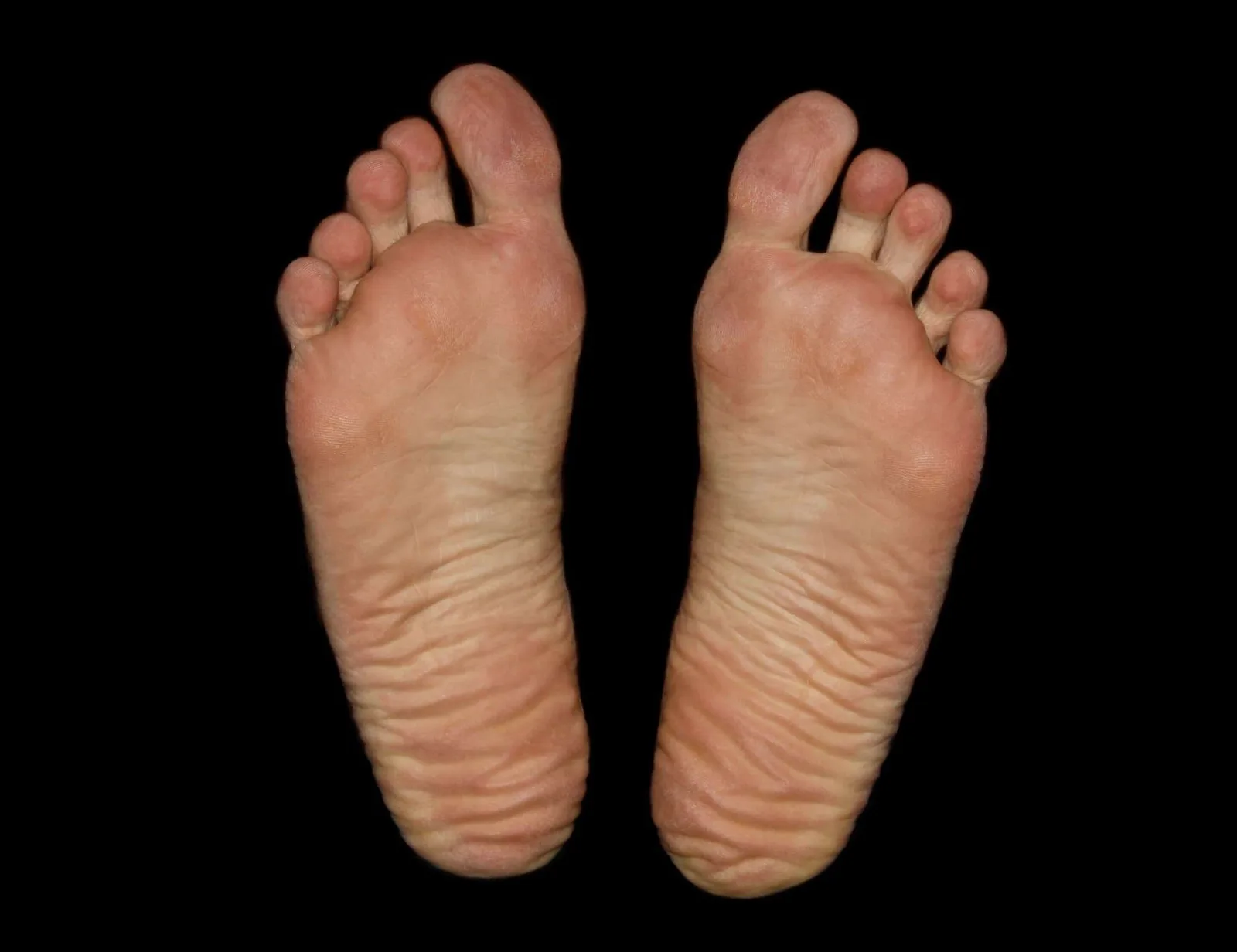
Healing and Rehabilitation From Plantar Fasciitis
The key to recovering from Plantar Fasciitis involves combining rest with targeted rehabilitation exercises. Allow adequate time between activities for your foot to repair itself. Your doctor may recommend icing your foot after physical activity or using a night splint. Physical therapy with exercises designed specifically for Plantar Fasciitis can help reduce pain and inflammation.
Factors Contributing to Plantar Fasciitis
The causes of Plantar Fasciitis vary but generally include high-impact activities like running or walking for extended periods. Improperly fitted footwear with inadequate support can contribute to the problem. Age and obesity are also factors, as people over 40 and those carrying extra weight face higher risk.
Excessive Use or Repetitive Stress
Overuse or repetitive strain is the most common cause, happening when physical activity places too much pressure on the plantar fascia, such as running long distances or jumping frequently.
Role of Foot Mechanics and Abnormalities in Plantar Fasciitis
Excessively flat or high arches and tight calf muscles increase risk. Abnormalities such as bunions or heel spurs may also contribute, though these can be addressed with orthotics or physical therapy.
The Impact of Inadequate Footwear
Worn out or poorly fitting shoes that lack arch support increase strain on your feet and risk of developing the condition.
The Influence of Weight Gain and Obesity
Carrying extra weight places additional strain on your feet, leading to pain and inflammation in the heel and arch.
The Impact of Age
Older individuals are more likely to develop Plantar Fasciitis, as the plantar fascia becomes less elastic with age, making feet harder to recover from strenuous activity.
The Influence of Occupational Factors
Certain jobs requiring standing for long periods, such as factory or retail work, can increase risk by putting too much strain on feet.
The Effect of Abrupt Activity Level Increase
A sudden increase in activity level can lead to Plantar Fasciitis, whether from starting a new exercise routine or taking on a more physically demanding job.
The Role of Muscle Tightness and Limited Flexibility
Tight calf muscles and poor flexibility are potential factors. Regular stretching and strengthening exercises keep your feet healthy and flexible.
How to Identify Plantar Fasciitis
People with Plantar Fasciitis experience pain and stiffness in the foot's arch, with possible burning sensation in the heel or arch while standing after sitting. Other symptoms include swelling in the arch, difficulty walking or climbing stairs, and limited range of motion when flexing the foot.
Understanding Heel Pain as a Symptom of Plantar Fasciitis
Plantar Fasciitis is typically characterized by heel pain that becomes more intense after periods of inactivity or in the morning. This discomfort may worsen during physical activities like running or jumping.
Understanding Foot Arch Pain
Arch pain can be sharp or a dull ache, worsening with activity. Walking barefoot on hard surfaces such as concrete or tile floors may increase discomfort.
Associating Painful Movement
Pain with movement includes difficulty walking, climbing stairs, or standing up after sitting for long periods.
Experiencing Stiffness in the Foot
Stiffness in the heel may cause difficulty flexing the foot and limited range of motion when walking or running.
Experiencing Tenderness
Tenderness in the heel or arch can be a symptom, with the area susceptible to touch and painful when applying pressure.
Progressive Onset
Plantar Fasciitis often develops gradually, with symptoms coming and going over time. Pain may be worse in the morning or after periods of inactivity.
Redness and Swelling Can Be Indications of Plantar Fasciitis
Redness and swelling in the heel or arch may occur, potentially indicating inflammation or infection requiring doctor evaluation.
Enhance Healing and Facilitate Recovery
Recovery length varies depending on condition severity. In most cases, approximately 2-3 months of proper treatment and rest is needed to fully recover.
Week 1: Take a Break and Recharge
Rest and allow your feet to recuperate during the first week. Avoid activities straining the foot, such as jogging or long standing periods.
Weeks 2 and 3: Initiate Rehabilitation Exercises
Slowly introduce physical therapy, including stretching exercises, massage therapy, or orthotics and insoles for additional support.
Weeks 5 and 6: Night Braces and Orthopedic Devices
Use night splints or orthotics to support your foot while sleeping, reducing strain on the heel and keeping the foot in a flexed position that encourages healing.
Weeks 7 through 10: Gradually Resuming Activity
Gradually increase activity level as your foot recovers. Introduce low to moderate-intensity activities such as walking or biking for short periods. Avoid activities causing pain or discomfort and take it slowly.
Exploring Medication Options
Anti-inflammatory medications can reduce inflammation and pain associated with Plantar Fasciitis.
Preventing Plantar Fasciitis
Staying active and stretching regularly is the best prevention method. Wearing shoes with proper support and cushioning reduces strain on the foot during running or exercise.
Optimal Exercises for Plantar Fasciitis Relief
Stretching and ice massage are two of the best strategies for treating Plantar Fasciitis. Stretching reduces pain and tightness, while ice massage reduces inflammation.
Effective Calf Stretch for Relief
Calf stretches strengthen muscles and tendons in the foot and reduce strain on the Plantar Fascia.
Wall Calf Stretch: Alleviating Plantar Fasciitis Discomfort
Stand with toes touching a wall and hands against it for balance. Slowly lower your heel while keeping toes in contact with the wall. You should feel a slight stretch in your calf muscle.
Plantar Fascia Stretch: Relieving Tension and Discomfort
Sit on the floor with one leg outstretched and the other bent. Grab the toes of the extended leg and gently pull them towards you while keeping your heel flat on the ground.
Towel Stretch: Promoting Flexibility and Easing Plantar Fasciitis
Place a towel under the ball of your foot while sitting. Keep your heel on the ground and slowly pull the towel towards you. You will feel a stretch in the arch.
Toe Stretches and Exercises: Promoting Flexibility and Foot Health
Sit on the floor with feet flat and heels planted. Spread your toes apart as far as possible while keeping heels secure. You may feel a gentle stretching sensation.
Toe Extension/Flexion Exercises: Strengthening
Sit on the floor with legs extended. Put a towel around your toes and slowly tug it towards you while keeping your heel planted.
Toe Curls: Strengthening and Conditioning
Wrap a towel around your toes while sitting with legs extended. Pull your toes towards your body without lifting your heel.
Exercises To Strengthen the Arch: Enhancing Foot Stability
Stand with feet hip-width apart and loop a towel around your toes. Gently pull the towel up towards you while keeping your heel flat. You should feel a gentle stretching sensation in your arch.
Arch Lifts: Enhancing Arch Strength and Balance Exercise
Position your feet hip-width apart. Wrap a towel around your toes and lift the arch of your foot off the ground while keeping your heel firmly planted.
Ankle Circles: Enhancing Ankle Flexibility
Stand with feet hip-width apart and loop a towel around your toes. Gently rotate your ankle in a clockwise direction as far as possible without pain, keeping your heel firmly planted.
The Vital Role of Supportive Footwear
Shoes with good arch support, cushioning, and shock absorption reduce stress on your feet and prevent further injury. Look for shoes with orthotic inserts explicitly designed for Plantar Fasciitis.
Common Indicators of Plantar Fasciitis Healing
The typical recovery timeframe is 2-3 months. During this period, you may experience gradual pain reduction and increased foot mobility. The tissue around your heel becomes stronger and less inflamed.
Decreased Morning Pain
As your condition improves, pain and stiffness in your heel may no longer trouble you when waking in the morning.
Diminished Pain Over Time
As you continue recovery, you'll likely experience decreasing pain over time. The tissue surrounding your heel becomes stronger and more resilient.
Localized Heel Pain: A Positive Sign of Healing and Adaptation
Pain associated with Plantar Fasciitis should become more localized to the heel area, indicating your body is adapting and healing from injury.
Relieved From Pain in Knees, Hips, and Lower Back
Pain should no longer spread to other areas such as knees, hips, and lower back.
How to Heal Plantar Fasciitis Faster
While recovery typically takes 2-3 months, you can accelerate the healing process in several ways.
Soothe Your Feet by Massaging Their Soles
Massaging the soles with a tennis ball or foam roller reduces tension and pain in your plantar fascia.
Use Exercises To Stretch and Strengthen
Focus on stretching muscles in your calves, toes, and feet to reduce tension and pain while strengthening to support your arch.
Use Sock Splints and Orthotics for Treatment
These devices reduce strain on your plantar fascia by providing arch support and cushioning. Over time, they can reduce pain and increase foot mobility.
Using TENS Therapy
Transcutaneous electrical nerve stimulation therapy uses low-level electrical currents to reduce pain.
Applying an Ice Pack
Applying ice packs to the affected foot area reduces pain and inflammation.
Frequently Asked Questions
How long does plantar fasciitis take to go away?
The time for Plantar Fasciitis to resolve depends on injury severity and healing efforts. Generally, it takes 2-3 months for symptoms to completely resolve.
Do you ever fully recover from plantar fasciitis?
Yes, full recovery from Plantar Fasciitis is possible.
Can plantar fasciitis go away in 2 weeks?
Complete resolution in two weeks is unlikely. However, with proper care and treatment, you should notice decreased pain within the first few weeks.
How long after plantar fasciitis can I walk?
You should typically start walking shortly after diagnosis. Begin gradually and avoid activities too strenuous or aggravating to pain. Consult your doctor about an appropriate activity return plan.
Long-term effects of plantar fasciitis surgery
After surgery, long-term effects are usually not severe. Patients may experience soreness, swelling, and tenderness for several weeks and can typically resume regular activities within 6-8 weeks. Rare severe complications such as infection are possible.