
Chiropractic
How to Prevent Vertical Subluxation: Tips for Maintaining a Healthy Spine
Dr. Peter HinzFebruary 13, 2025
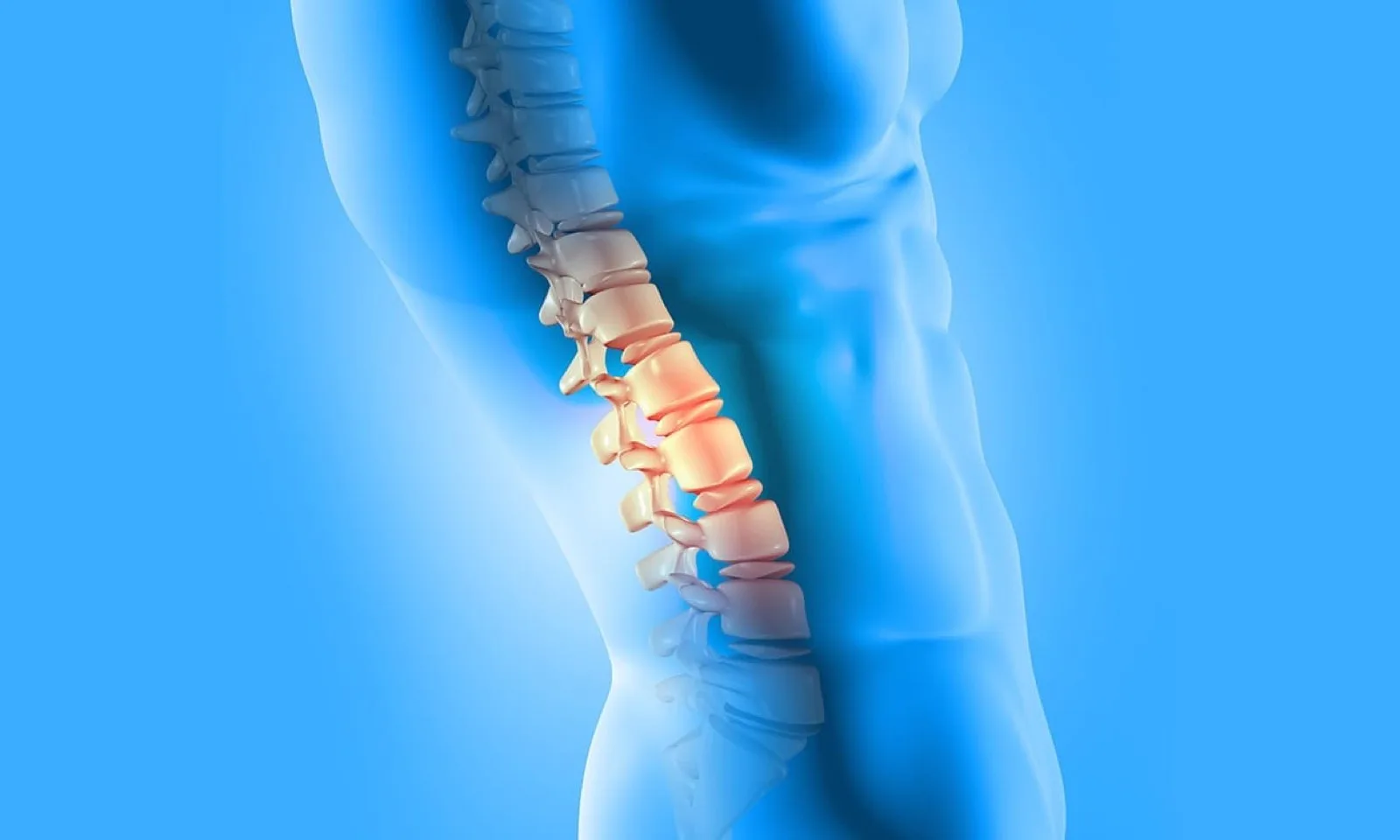
What is Vertical Subluxation?
Vertical subluxation represents a specific type of spinal misalignment where "one or more vertebrae shift out of their natural position along the spine's vertical axis." This condition can cause the spine to lose its natural curvature, leading to muscle tension, nerve interference, and restricted mobility. It typically occurs in the cervical (neck) and lumbar (lower back) regions but can affect any spine area.
When the spine is misaligned, nearby nerves may experience pressure, potentially causing:
- Neck and back pain
- Headaches or migraines
- Tingling or numbness in the arms or legs
- Limited range of motion
- Poor posture
Uncorrected vertical subluxation can lead to more severe complications, making prevention crucial for maintaining health and quality of life.
How Does Vertical Subluxation Develop?
Vertical subluxation can result from several factors:
- Poor Posture: Prolonged slouching, forward head posture, or improper alignment while sitting or standing strains the spine excessively and leads to misalignment.
- Trauma or Injury: Accidents, falls, or physical trauma can cause vertebrae to shift out of alignment.
- Muscle Imbalances: Weak or tight muscles around the spine reduce proper support, increasing subluxation risk.
- Sedentary Lifestyle: Extended sitting periods, especially with poor posture, increases subluxation risk over time.
- Age-Related Changes: As people age, spinal discs and joints wear down, increasing vulnerability to misalignments.
- Repetitive Movements: Repetitive motions or overuse of body parts, particularly in manual labor or athletic activities, strain the spine and contribute to subluxation.
Tips for Preventing Vertical Subluxation
While some factors like aging are beyond control, several proactive steps can reduce subluxation risk and maintain spinal health.
1. Practice Good Posture
Maintaining proper posture is among the best prevention methods. Key posture tips include:
- Stand tall: Keep shoulders back, chest open, and ears aligned with shoulders. Avoid slumping or leaning forward.
- Sit properly: Ensure your back is straight, feet are flat on the floor, and knees are at 90 degrees. Avoid crossing legs, which creates uneven pressure.
- Keep screens at eye level: If working at a desk, position your computer screen so eyes align with the top. This prevents forward head posture, a common cervical subluxation cause.
2. Strengthen Core Muscles
A strong core is essential for maintaining spinal stability and preventing subluxation. Core muscles support the spine and help maintain proper alignment. Incorporate exercises targeting abdominal, back, and pelvic muscles, such as:
- Planks
- Bridges
- Bird-dogs
- Leg raises
A strong core reduces excessive vertebrae pressure, especially in the lower back, and lowers subluxation risk.
3. Regular Chiropractic Adjustments
"Regular chiropractic care is one of the most effective ways to prevent vertical subluxation." Chiropractors detect and correct spinal misalignments before they become serious. Routine adjustments help maintain correct spine alignment, reduce muscle tension, and improve overall function.
At Cool Springs Chiropractic, Dr. Hinz and the team specialize in gentle, effective spinal adjustments tailored to individual needs.
4. Stay Active and Move Regularly
A sedentary lifestyle significantly contributes to spinal misalignment. Taking breaks every 30 minutes during extended sitting periods and stretching or walking promotes circulation and relieves spine pressure.
Regular activities such as walking, swimming, yoga, or cycling strengthen muscles, improve flexibility, and maintain optimal spine alignment.
5. Use Ergonomic Furniture and Equipment
For those spending long hours at desks, ensure your workspace is ergonomically sound. Invest in a supportive chair with proper lumbar support and use a desk allowing neutral spine positioning. Consider using a standing desk or seat cushion for added comfort.
Position keyboards and mice at appropriate heights to prevent wrist and shoulder strain.
6. Sleep on a Supportive Mattress
"The way you sleep can significantly impact the alignment of your spine." A mattress providing adequate support keeps the spine neutral and reduces subluxation risk. Side sleepers should use a pillow between their knees to maintain proper alignment, while back sleepers should use a supportive neck pillow maintaining the spine's natural curve.
7. Avoid Heavy Lifting and Improper Movements
Improper heavy lifting strains the spine and causes misalignments. Always bend your knees, keep your back straight when lifting, and avoid twisting motions placing stress on the spine. Request assistance when lifting heavy items to prevent injury.
Conclusion
Preventing vertical subluxation is essential for maintaining spinal health and avoiding pain and discomfort associated with misalignments. By practicing good posture, strengthening core muscles, staying active, and seeking regular chiropractic care, you can reduce subluxation risk and maintain optimal spine condition.
Cool Springs Chiropractic is committed to helping maintain a healthy spine and active lifestyle. Dr. Hinz and the expert team guide patients in preventing vertical subluxation and addressing spinal concerns. Contact them today to schedule a consultation and take the first step toward better spinal health.