
Neck Pain
Neck Pain When Taking A Deep Breath
Dr. Peter HinzSeptember 6, 2023
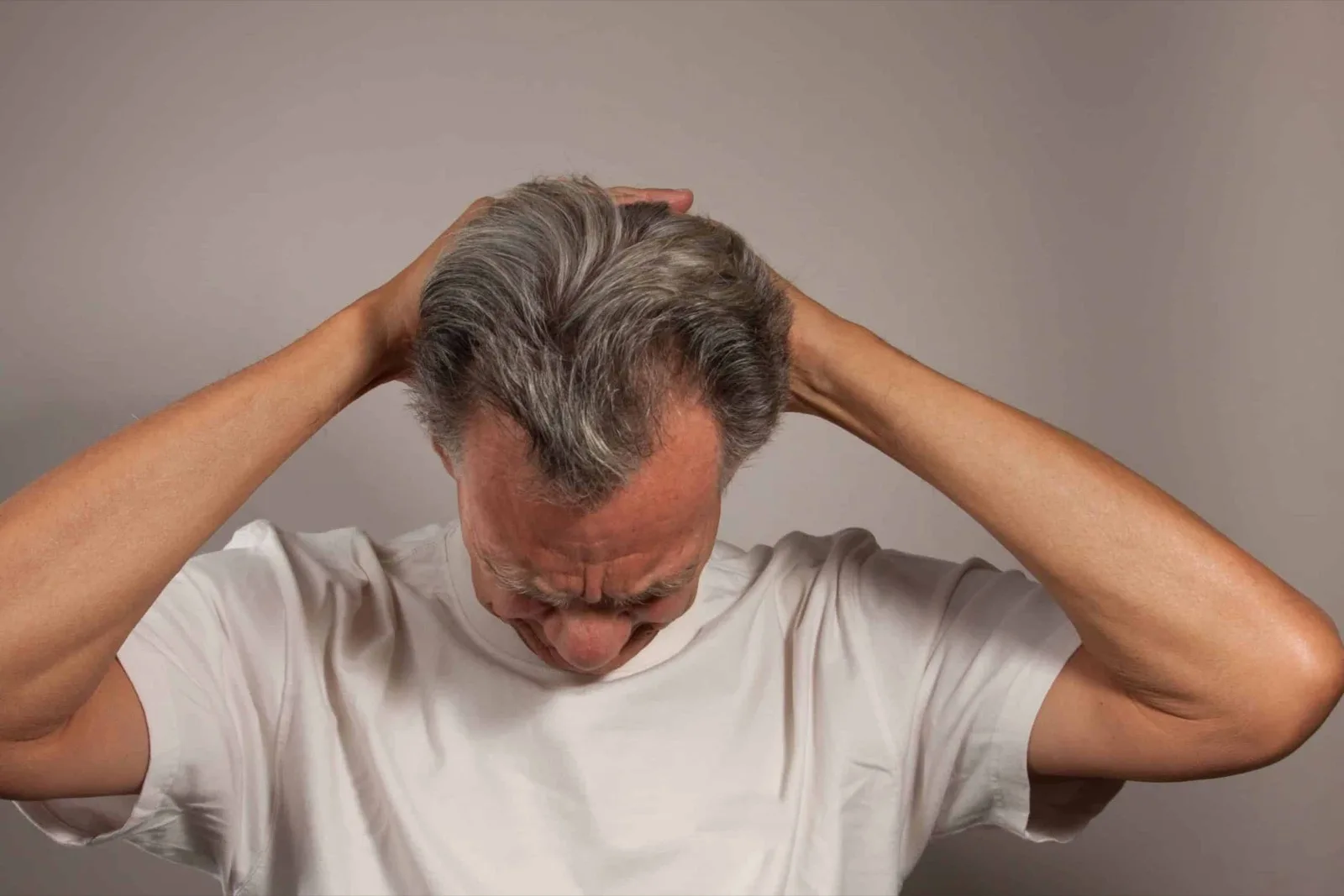
What is Neck Pain?
Neck pain, also known as cervicalgia, is discomfort affecting the area in or around your spine just beneath the head. The pain's intensity can range from acute to chronic, depending on its cause and severity. Accompanying symptoms may include muscle stiffness, headaches, and restricted head movement.
What are the Symptoms of Neck Pain
Pain in the Neck
Pain is the most common symptom. Acute neck pain has an achy feeling, while chronic pain can feel like an electric shock.
Neck Stiffness
Stiffness affects the neck discs, nerves, and muscles, making it hard and painful to move the neck and impacting vertebrae.
Muscle Tightening in the Neck
Involuntary muscle tightening can exacerbate pain, making it difficult to move the neck, head, and shoulders.
Headache Episodes
Pain often compresses, strains, or irritates nerves in the neck, potentially leading to headaches. This type of headache is often called occipital neuralgia and affects the posterior part of the head.
Diffusing Pain
Radiating pain can extend to other parts of the body, including the arms and legs. Unlike referred neck pain, radiating pain travels in waves and may indicate a more serious issue.
Numbing and Tingling Sensations
Pins-and-needles sensations may spread to the limbs, leading to loss of feeling in the neck and other affected areas, varying in intensity based on their cause.
Weakness in the Neck
Muscle pain and atrophy make the neck weak and challenging to move. Severe weakness can make the head feel heavy.
Problem Swallowing
Neck pain can cause swallowing difficulties, especially in conditions caused by infections. Pain is usually concentrated in the throat but can spread to the breastbone.
Tender Neck
Your neck can become tender when painful. Serious tenderness can increase pain and make moving the head challenging.
Neck Crepitus
Clicking or popping noise in the joints refers to neck crepitus. Painful and repetitive neck crepitation issues may point to a serious problem.
Neck Pain Causes When Taking a Breath
Bacterial Infections
Bacterial infections starting in the throat are a common cause. Streptococcal and other disease-causing bacteria can attack the throat, leading to a tender and swollen pharynx. Tenderness causes pain that increases when moving the neck or swallowing. Untreated infections can spread to other body parts.
Strain or Injury to the Neck Muscles
Strain, trauma, and injuries to neck muscles cause pain when the head is bent, turned, or twisted rapidly or abnormally. Excess weight on the head can also strain muscles. Whiplash, involving forceful back-and-forth neck movement, is the main injury causing neck pain. Collisions during sports, physical abuse, and falls can strain neck muscles.
Pulmonary Embolism
Blood clots in the lungs occur when one or more arteries get blocked by clots, often originating from the legs. The most noticeable sign is intense pain around the neck and shoulders, which can also affect the chest and arms. Treating blood clots eliminates related neck pain.
Underlying Health Conditions
Disc degeneration deteriorates parts of the spinal column, causing neck pain. Heart disease causes neck pain usually accompanied by shortness of breath. Osteoarthritis, affecting the spine, is another condition causing neck pain.
How is Neck Pain When Breathing Diagnosed?
Physical Examination
Medical professionals evaluate your neck for numbness, tenderness, and weakness during physical examination. They ask about daily activities and past neck pain issues, helping identify the pain site for informed treatment choices.
Range of Motion Assessments
These tests measure flexibility involving bones, ligaments, muscles, tendons, and joints in the neck. Restricted range of motion indicates neck pain.
Imaging Tests
X-ray tests show affected areas, while CT scans provide detailed views of internal neck structures. MRI scans and electromyography are other diagnostic tests.
Treatment Remedies for Neck Pain
Pharmacological Medications
Pain relievers and medications addressing root causes are widely used. Use medications only as instructed.
Physical Therapy
Traction and muscle-strengthening exercises are popular physical therapy methods. Low-impact exercises are also effective.
Treatment Plans Developed by Physical Therapists
Following a personalized treatment plan provides quick recovery. Physical therapists provide guided stretches and exercises to relax your neck and reduce tension.
Chiropractic Treatment
Chiropractic care by a specialist may help lessen neck pain. A chiropractor manipulates the affected spinal area by adjusting vertebrae to release tension and discomfort. Several visits are recommended for full recovery.
Frequently Asked Questions
When I take a deep breath my neck and shoulder hurts?
Seek medical treatment if your neck and shoulder hurt when taking a deep breath.
Can lung problems cause neck pain?
Lung problems, especially blood clots, can lead to neck pain.
Can tight neck muscles affect breathing?
Muscle compressions in the neck affect breathing by restricting airflow and reducing respiratory performance.
Why does my upper back neck hurt when I breathe?
Muscle strain, bacterial infection, pulmonary embolism, and underlying conditions cause this pain.
When I breathe I feel a sharp pain in my shoulder?
Severe neck pain can radiate to the shoulders.
What is the sharp pain when I breathe?
Sharp breathing pain results from bacterial infection, pulmonary embolism, muscle strain, and underlying diseases.
Can neck and shoulder pain affect breathing?
Neck and shoulder pain adversely affect breathing, reducing respiratory volumes.
What part of neck affects breathing?
The throat, in the front part of the neck, includes the pharynx and larynx, impacting breathing.
What nerve in the neck affects breathing?
The phrenic nerve influences breathing by controlling the diaphragm, making lungs expand and contract.
Why does the back of my neck hurt when I breathe through the nose?
Your neck can hurt during nasal breathing due to bacterial infection, pulmonary embolism, muscle strain, and underlying diseases.