
Chiropractic
Soreness After Chiropractic Adjustment
Dr. Peter HinzNovember 2, 2019
Soreness After Chiropractic Adjustment
Patients commonly experience soreness after receiving chiropractic care, yet this reaction should not cause alarm. "Soreness is normal after chiropractic adjustments" and typically resolves within 24 hours or less, despite seeming counterintuitive for a professional treatment.
Retracing
Following an adjustment, your body undergoes a natural healing process marked by temporary soreness and fatigue—a phenomenon called retracing. This occurs as a direct response to subluxations (spinal blockages and misalignments). Before treatment, blocked or misaligned spinal paths hindered nervous system communication with the body. Chiropractic adjustments clear these subluxations, triggering several simultaneous events that can overwhelm your system temporarily:
- Nerve function restoration throughout the body
- Toxin elimination
- Unrestricted flow of body fluids across cells
These concurrent changes place your body in temporary "panic mode," resulting in soreness.
Muscle Discomfort
Muscles respond sensitively to physical manipulation. After tensed muscles are released, they become tender as they stretch beyond their natural position. "When the joints are manipulated, they send signals to the muscles. The muscles respond by tightening, resulting in tenderness and pain." While the applied force may feel substantial, it remains calculated and safe.
Muscle Reflexes
Adjustments trigger various reflexes, particularly in muscles moved in unfamiliar ways. These reflexes reset muscle tone, frequently accompanied by soreness, though many patients experience calm reflexes with minimal negative effects.
Ways to Deal with Post-Adjustment Soreness
Having adjustments more regularly
Most patients experience soreness during their first adjustment as muscles adapt to this manipulation type. Regular adjustments condition muscles, reducing subsequent soreness.
Heat or Ice
Heat opens blood vessels to encourage circulation and reduce tenderness significantly. Ice packs freeze affected areas and reduce inflammation and aching. "According to a 2015 study, you can alternate the two (ice and heat) for maximum effect."
Cold bath
A cold bath produces similar effects to ice packs, reducing inflammation through a 5-minute soak, though this may feel challenging for those preferring warm baths.
Self-massage
Gentle self-massage improves blood flow to affected areas, promoting recovery. Apply moderate pressure only; excessive force may intensify discomfort.
Stretching exercises
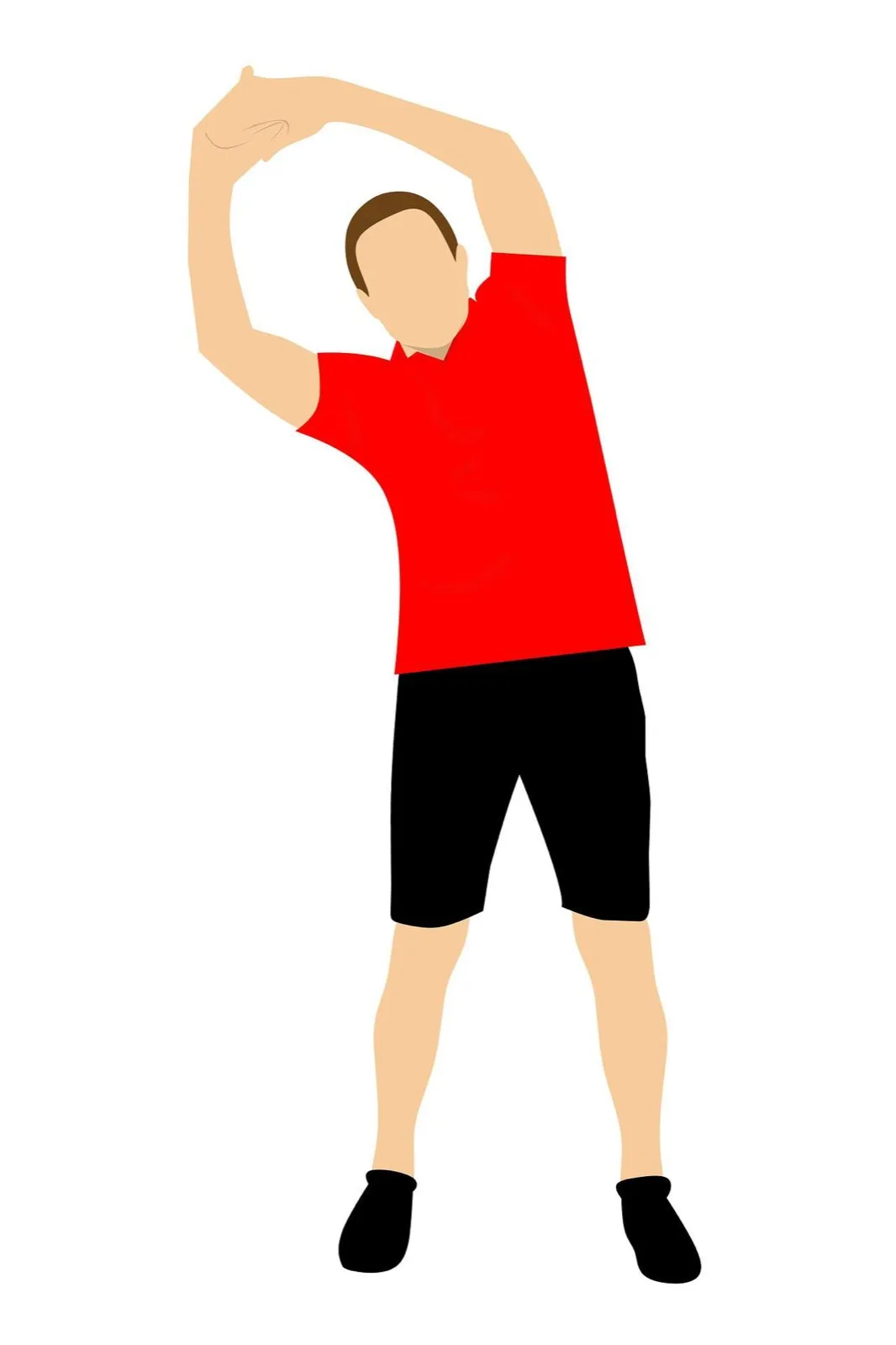
Stretching improves circulation and promotes healing. Walk, swing affected body parts, or perform movements your chiropractor recommends.
Rest
Muscles benefit significantly from adequate rest after adjustment. "Studies have shown that inadequate sleep can boost inflammation and this eventually causes soreness."
Hydration
Drinking sufficient water before and after treatment cushions muscles against ache and supports optimal self-healing when fluid levels remain adequate.
Take coffee
"According to research by the University of Georgia, taking two cups of coffee can help you find soreness relief following physical body manipulation and workout." Caffeine blocks adenosine, the chemical released during strenuous activity.
Speak to your chiropractor
If soreness persists beyond 24 hours despite trying these approaches, consult your chiropractor. They can assess whether continued soreness represents normal healing or indicates need for further treatment.
Closing Thought
Post-adjustment soreness should not alarm you. This short-lived side effect should not overshadow the substantial benefits chiropractic adjustment provides to your overall health and wellness.